Serving Coral Springs, FL and surrounding areas. (754) 318-0068
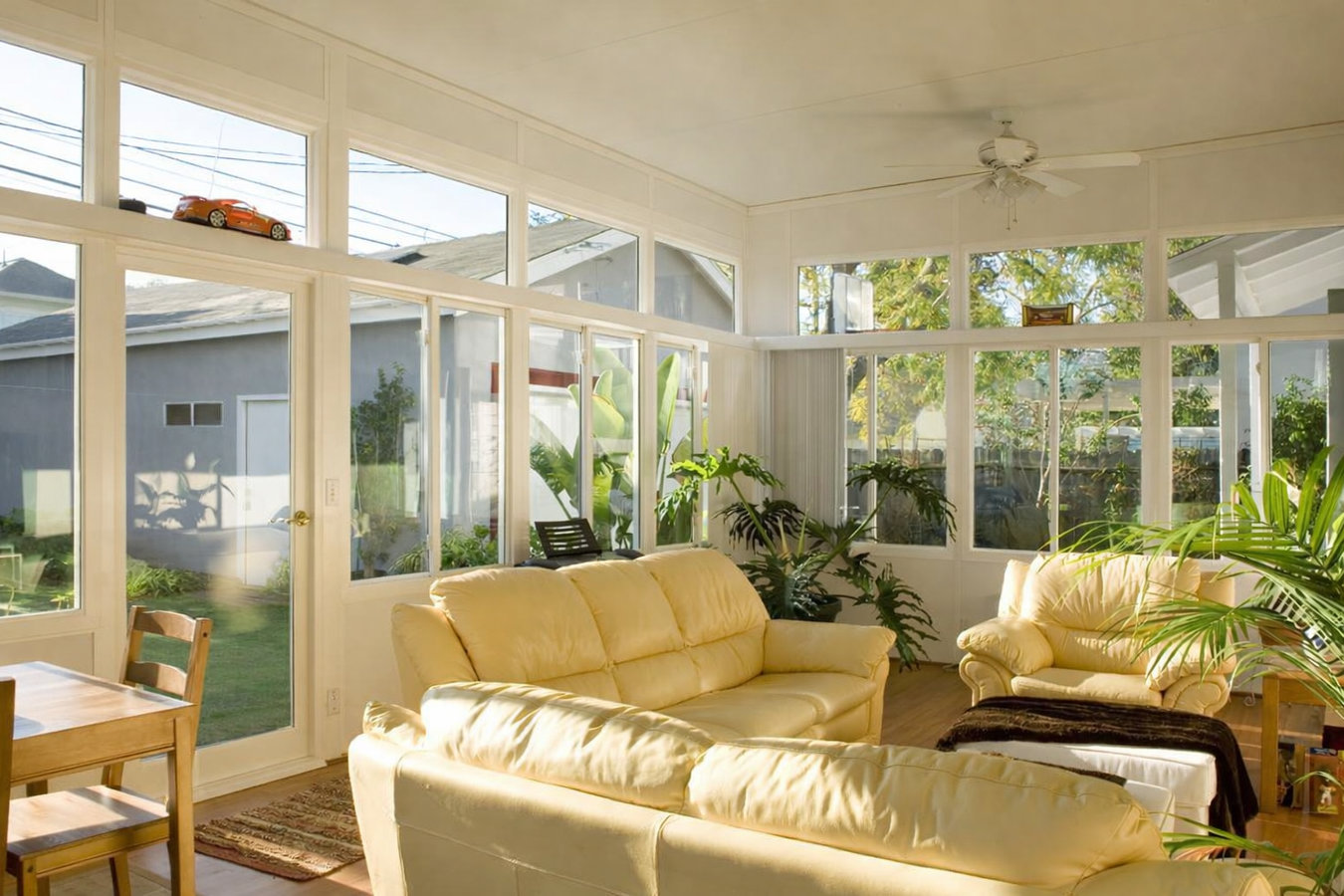
Vinyl sunrooms hold up against South Florida humidity, require no painting or staining, and can be built to Broward County wind standards. If your screened porch sits empty half the year, this is the upgrade that fixes that.
Vinyl sunrooms in Coral Springs are fully enclosed room additions built with vinyl-framed walls, large glass or acrylic panels, and a solid or glass roof - most standard residential projects go from signed contract to final inspection in six to twelve weeks, with permitting typically the longest portion of that timeline.
The reason vinyl works particularly well in this part of Florida comes down to climate. Wood frames absorb moisture, swell, and can rot in a humid subtropical environment. Steel and aluminum can rust or corrode in the salt-tinged air that moves across Broward County from the coast. Vinyl does none of these things - it holds its shape, holds its color, and does not need to be painted or stained every few years to stay presentable. That low maintenance profile is a real advantage for a room addition you want to enjoy, not spend weekends maintaining. For homeowners who want to understand how different sunroom types compare before committing, our page on sunroom additions walks through the full range of options.
The key design question for any sunroom in Coral Springs is not the frame material - it is how the room handles heat. A vinyl sunroom built with heat-blocking glass and a proper cooling solution stays comfortable in August. One built without those features becomes a room you avoid from June through September - the opposite of what you paid for. We work through that decision at the first on-site visit, before any plans are drawn.
If your existing outdoor space works in January but is abandoned by April, the problem is not your yard - it is that screens cannot block heat, keep out driving rain, or stop mosquitoes from making your evenings miserable. A vinyl sunroom encloses that space with proper glazing and climate control, turning a seasonal porch into a room you use every month.
A sunroom gives you a new room - somewhere to eat, work, read, or relax - at a fraction of the cost and disruption of adding a conventional room inside your home. If your household has outgrown the interior space but a full addition feels like too much, a vinyl sunroom is often the right middle ground.
Many Coral Springs homes have beautiful backyard pools, tropical landscaping, or canal views that sit unappreciated because the interior rooms do not face them. A sunroom positioned to frame that view becomes one of the most-used rooms in the house - especially when it is the only air-conditioned room with a direct view of the water.
The combination of mosquitoes, late-afternoon thunderstorms, and summer humidity is a daily reality for Coral Springs homeowners from May through October. A vinyl sunroom puts you at the edge of your yard - with the view, the light, and the feeling of being outside - without a single bug or raindrop reaching you.
Every vinyl sunroom we build starts with the same core elements: a properly permitted concrete slab or verified existing foundation, vinyl frames rated for Broward County's wind-load requirements, insulated glass or acrylic panels, and a cooling plan designed for this specific room and climate. What varies is how those elements are combined for your home. A homeowner converting an existing screened lanai has different needs than one building a new room from scratch over a bare patio. We have handled both in Coral Springs and walk every customer through the options at the on-site estimate - no commitment until you have seen the full picture. For homeowners who want to explore the full planning process before deciding on a frame type, our sunroom additions service covers all the major styles and materials side by side.
We also handle the permit application and HOA submission as part of every project. In Coral Springs, adding a sunroom is a permitted structural addition - the city reviews the plans and sends an inspector to confirm the work meets Florida's building code before the permit closes. That record is what protects you at resale. For customers in HOA communities, written architectural approval is typically required before permits are submitted - we know the process and prepare the submission for you. If you are looking at a three season sunroom as a comparison point, vinyl-framed builds cover that range as well - we will help you determine which level of enclosure fits your usage goals and budget.
Full construction from slab through finished room - vinyl frame, insulated glass panels, and a cooling solution planned from day one for South Florida's climate.
Enclosing an existing lanai with vinyl-framed glass panels - typically faster and less expensive than a new build, especially when a slab and roof structure are already in place.
Low solar heat gain glass for rooms with western or southern exposure, keeping the space usable in summer without overloading your cooling system.
HVAC extension or mini-split unit planned and installed as part of the project scope - not as an afterthought once the room is built.
We handle the building permit application and, for HOA communities, prepare and submit the architectural review package on your behalf.
Finished flooring, ceiling fans, lighting, and outlets available as part of the project so the room feels complete and livable from day one.
Coral Springs sits in a subtropical climate where the real design challenge is not cold - it is heat. Summer temperatures regularly reach the low-to-mid 90s, and the sun angle is high for most of the year. A vinyl sunroom built without heat-blocking glass will be unusable by June. Glazing that limits solar heat gain is not an upgrade option here; it is a basic requirement for a room you will actually use. Broward County also sits in a designated high-wind zone, which means every sunroom frame, glazing panel, and roof-to-house connection must be rated for local wind loads. The National Sunroom Association provides industry standards for sunroom construction, and working with a contractor who follows those guidelines - and pulls the required permits - is how you confirm your room is built to last in this environment.
South Florida's wet season, which runs roughly from June through October, brings daily afternoon thunderstorms and very high humidity. Vinyl frames handle moisture well, but the joint where the sunroom roof meets your existing roofline is a critical detail - a poorly sealed connection will leak the first time a hard rain hits. Scheduling construction during the drier months gives the crew the best conditions for clean, accurate work. We serve homeowners throughout the Coral Springs area and neighboring communities, including Coconut Creek and Margate, and we bring that same local climate knowledge to every project.
A contractor visits your home, reviews the space, takes measurements, and walks you through glazing and cooling options. You will leave the conversation with a clear picture of what a vinyl sunroom costs for your specific home. We respond to all new inquiries within one business day.
We prepare a detailed written proposal with a fixed scope, materials list, and timeline. If your community has a homeowners association, we help you prepare the architectural review submission and get that process started before permits are pulled - timing this correctly prevents weeks of delays.
We submit the permit application with engineered drawings that show the structure meets Broward County's wind-load requirements. Permit review typically takes a few weeks. We keep you updated and let you know as soon as a start date can be set.
Slab preparation, vinyl frame installation, and glazing happen in sequence, with the building inspector on-site at required stages. After the final inspection passes, we do a full walkthrough and hand you the closed permit record - your documentation that the room is code-compliant.
We visit your home, measure the space, and give you a detailed written quote - no pressure, no obligation.
(754) 318-0068Broward County is in a high-wind zone, and every vinyl sunroom we build uses frames and glazing rated for the local wind requirements. The permit process confirms this - the building inspector reviews the structural drawings before the permit closes. A sunroom that is not built to these standards is a liability when a storm arrives.
Florida requires contractors who build structural additions to hold a valid state-issued license. You can look up our license status on the Florida Department of Business and Professional Regulation's online database before signing anything. We pull permits in our name on every project - accountability that protects you.
Coral Springs has a large number of active homeowners associations, and most require written approval before any exterior addition is built. We are familiar with that process and prepare the full submission package - materials documentation, elevations, and specifications - so the review moves efficiently.
We do not treat the cooling solution as an afterthought. Glazing selection, room orientation, and the cooling approach are worked out at the design stage so the room is comfortable in South Florida's hottest months - not discovered to be a greenhouse once construction is done.
You can verify contractor license status at any time through the Florida Department of Business and Professional Regulation. A licensed contractor who pulls permits is accountable for the work - and that accountability is what protects your investment in a market where shortcuts are easy to hide until the next storm season.
An overview of all sunroom addition types and materials - a good starting point if you are still comparing vinyl against other framing and glazing options.
Learn MoreA lighter enclosure option for homeowners who want to extend their outdoor season without the cost of a fully climate-controlled room.
Learn MoreOur crews are booking now - call or request a free in-home estimate before the dry-season schedule fills up.